

Best Ways to Keep Indoor Cats Mentally Stimulated
Best Ways to Keep Indoor Cats Mentally Stimulated

Indoor cats live safer lives—but without proper mental stimulation, they can become bored, stressed, or develop unwanted behaviors. Scratching furniture, excessive meowing, overeating, or lethargy are often signs that your cat needs more enrichment.
In this guide, you’ll discover the best ways to keep indoor cats mentally stimulated, improve their overall well-being, and create a happier, more engaging home environment.
Why Mental Stimulation Is Essential for Indoor Cats
Cats are natural hunters. Even indoor cats retain strong instincts to stalk, chase, and problem-solve. Without outlets for these instincts, boredom can lead to:
-
Destructive scratching
-
Weight gain
-
Anxiety or aggression
-
Over-grooming
-
Depression or low activity levels
Mental enrichment is just as important as food and physical exercise.
1. Use Interactive Cat Toys (Top Recommendation)
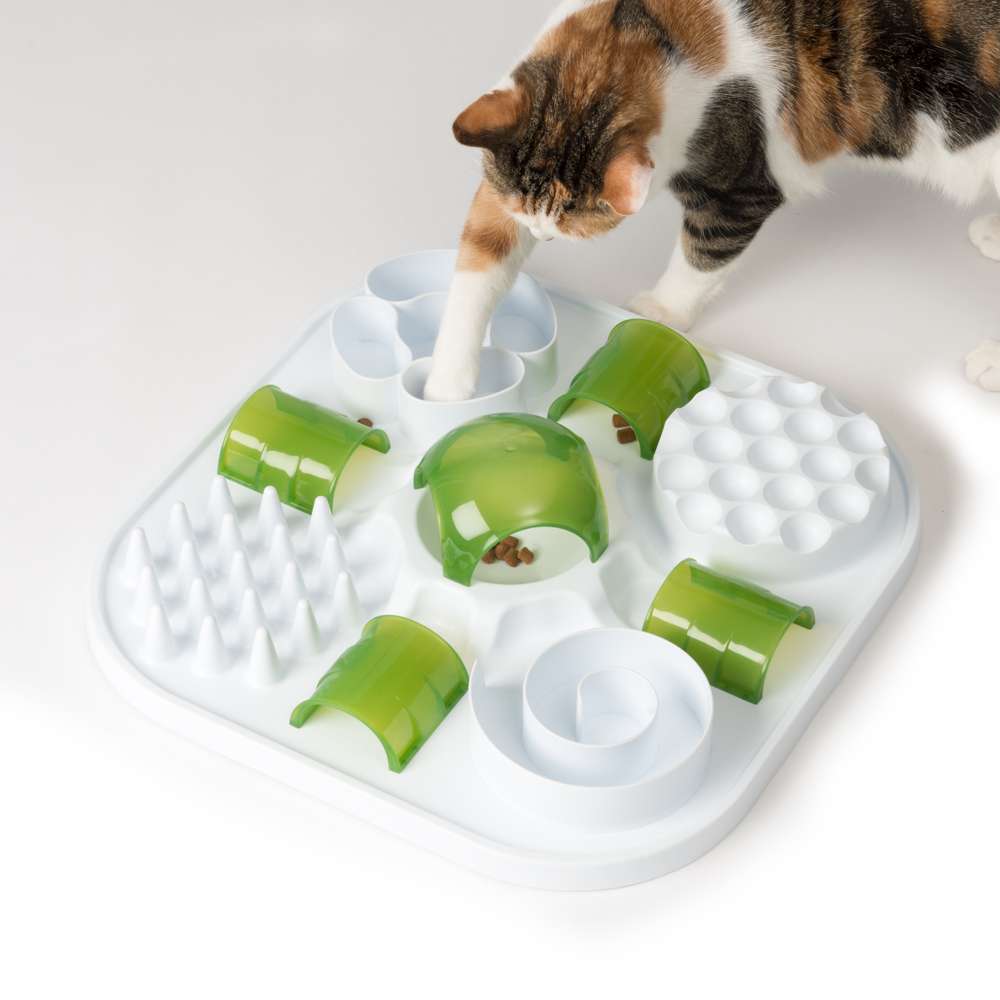

Interactive toys challenge your cat’s brain while encouraging movement.
Best options include:
-
Puzzle toys with treats
-
Wand toys that mimic prey
-
Motion-activated or automatic toys
Rotate toys weekly to keep them exciting and prevent boredom.
Interactive toys that encourage chasing, problem-solving, and movement can make a huge difference for indoor cats that spend most of their time inside.
2. Create Vertical Space with Cat Trees & Shelves

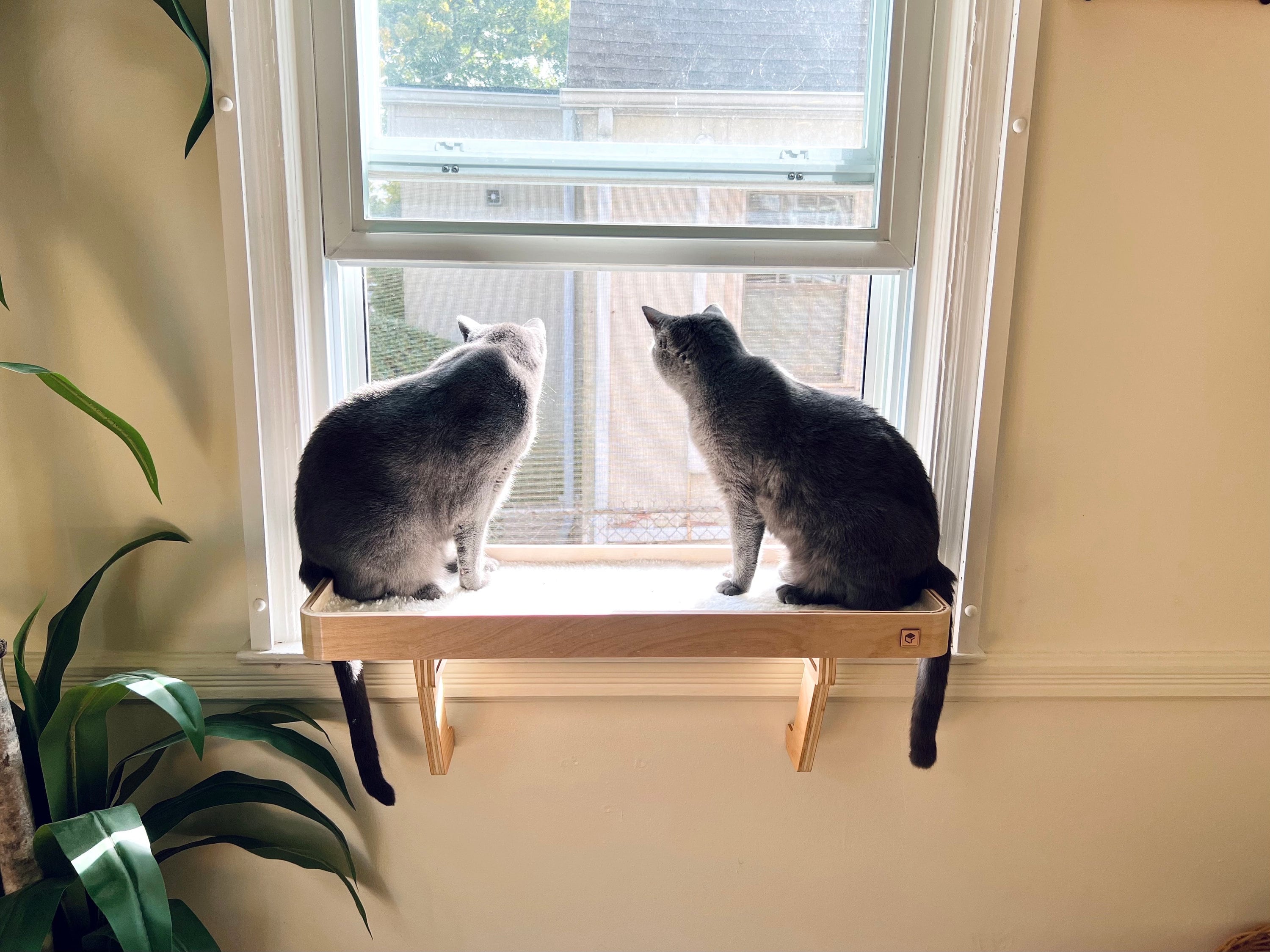
Cats love to climb and observe from above. Vertical spaces give cats mental stimulation and a sense of control.
Benefits:
-
Encourages exploration
-
Reduces stress in multi-cat homes
-
Provides exercise without floor space
Window perches add bonus stimulation with outdoor views.
Adding vertical spaces like climbing structures and scratching surfaces gives indoor cats a sense of territory while keeping them mentally engaged.
👉 Cat Trees & Scratching Posts
3. Schedule Daily Play Sessions
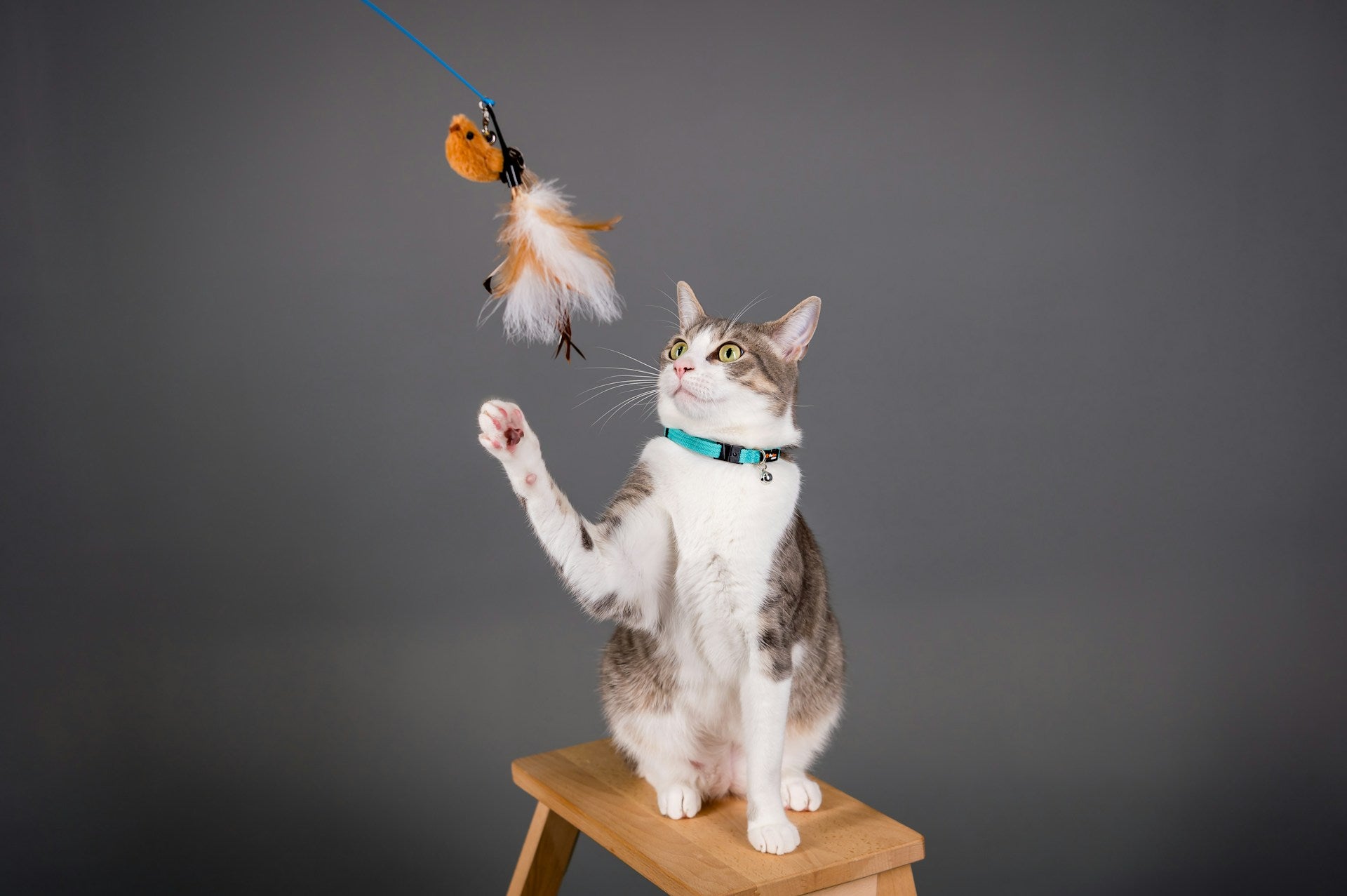
Short, focused play sessions are more effective than leaving toys out all day.
Vet-recommended routine:
-
2–3 play sessions daily
-
10–15 minutes each
-
End with a small meal or treat
This mimics the hunt–catch–eat cycle cats naturally crave.
4. Encourage Food-Based Enrichment
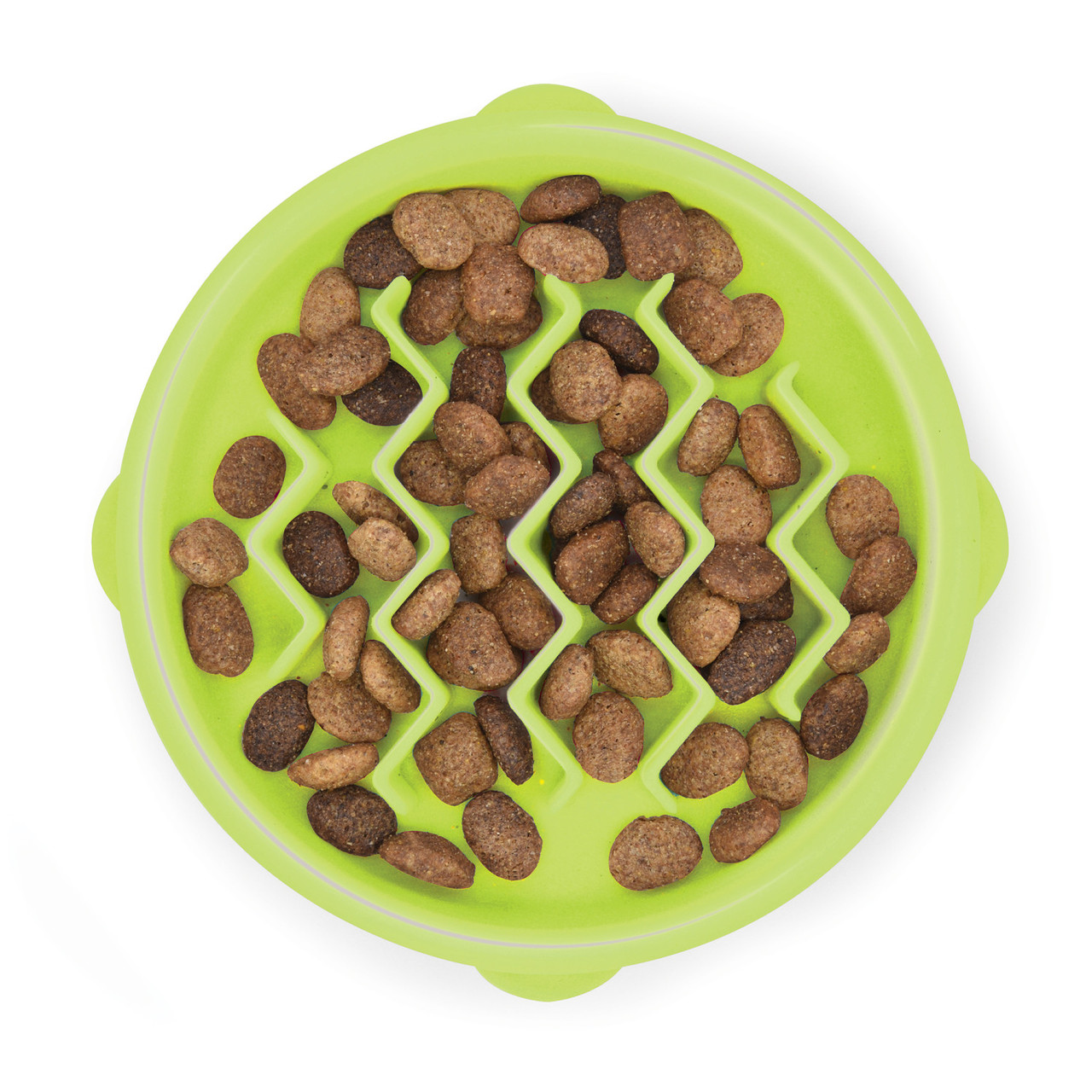
Instead of free-feeding, make mealtime mentally engaging.
Ideas include:
-
Puzzle feeders
-
Treat-dispensing toys
-
Hiding small portions around the house
This keeps your cat mentally sharp and slows overeating.
Turning mealtime into a challenge with enrichment-based feeding tools helps indoor cats stay mentally active and prevents boredom-related behaviors.
👉 Puzzle Feeders & Enrichment Products
5. Add Sensory Stimulation (Safe & Simple)
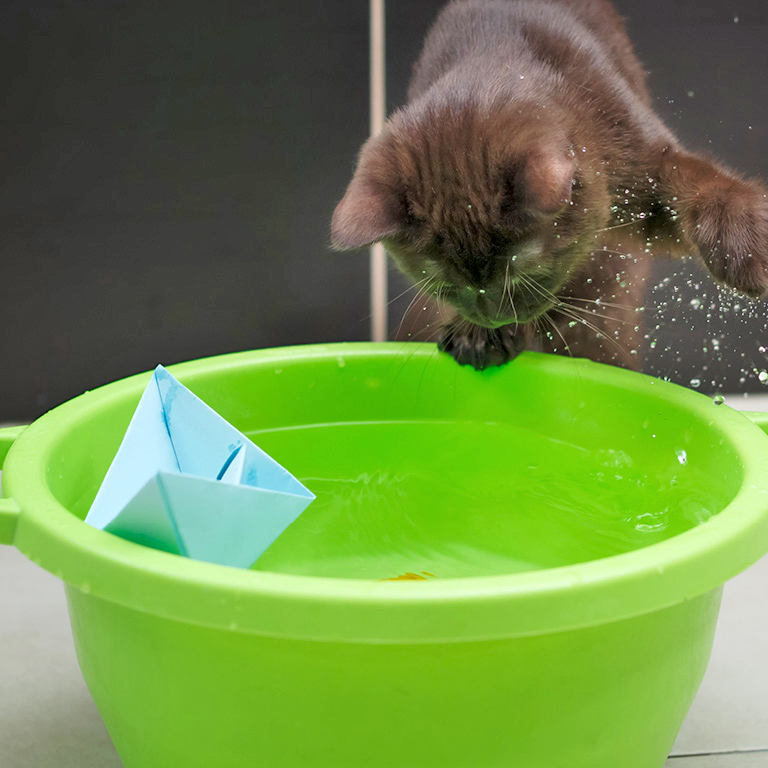
Cats enjoy stimulation through sight, smell, and sound.
Easy enrichment ideas:
-
Bird feeders outside windows
-
Cat-safe plants (like cat grass)
-
Catnip or silvervine toys
-
Calm background sounds or cat TV
Always supervise new stimuli to ensure safety.
6. Rotate Environments & Hideouts
Small changes can make a big difference.
Try:
-
Rearranging furniture
-
Adding cardboard boxes or tunnels
-
Creating quiet hiding spots
Novelty keeps your cat curious and engaged.
Common Signs Your Indoor Cat Is Bored
-
Excessive sleeping
-
Destructive behavior
-
Sudden weight gain
-
Over-vocalization
-
Aggression or withdrawal
If boredom persists despite enrichment, consult a veterinarian.
Tips for Multi-Cat Households
-
Provide multiple play zones
-
Offer one cat tree per cat if possible
-
Avoid competition over toys or feeding areas
-
Encourage solo and group play
Balanced stimulation reduces tension between cats.
Final Thoughts: A Stimulated Cat Is a Happy Cat
Keeping indoor cats mentally stimulated doesn’t require constant effort—just intentional routines and the right tools. With interactive play, vertical spaces, and enrichment activities, your cat can enjoy a fulfilling indoor life.
A curious cat is a confident cat—and a happier companion.
Frequently Asked Questions
How much playtime do indoor cats need?
Most indoor cats benefit from 20–30 minutes of interactive play daily.
Are automatic toys good for cats?
Yes, when used in moderation and rotated with other toys.
Can boredom cause behavior problems?
Absolutely. Mental stimulation helps prevent many common indoor cat issues.