

How to Reduce Cat Litter Tracking Around the House
How to Reduce Cat Litter Tracking Around the House
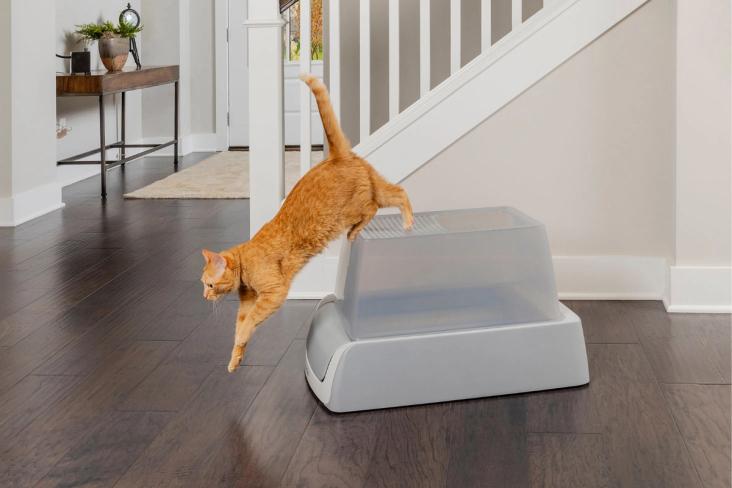

If you’re a cat owner, you’ve probably noticed litter scattered across your floors—on carpets, couches, and even your bed. Cat litter tracking is one of the most common (and frustrating) problems for indoor cat households.
The good news? With a few smart adjustments, you can dramatically reduce cat litter tracking around your home. In this guide, you’ll learn vet-recommended, practical tips to keep your floors clean while keeping your cat comfortable and stress-free.
If litter tracking has become a daily frustration, small changes can make a big difference. Many cat owners start by improving their litter setup with better litter options, well-designed litter boxes, and accessories made specifically to control mess. Choosing the right combination can dramatically reduce tracking without changing your cat’s habits.
Why Does Cat Litter Track Everywhere?
Litter tracking happens when small particles cling to your cat’s paws and fur after using the litter box. Common causes include:
-
Fine-grain or dusty litter
-
Covered litter boxes with limited exit space
-
Long-haired cats
-
High-energy cats jumping out of the box
-
Poor litter box placement
Understanding the cause is the first step to fixing the problem.
1. Switch to Low-Tracking Cat Litter

Some litter types track more than others. To reduce mess:
Best options:
-
Pellet-style litter
-
Large-grain clumping litter
-
Dust-free formulas
Avoid: ultra-fine or sandy litter, which sticks easily to paws.
2. Use a High-Quality Litter Mat (Most Effective Solution)
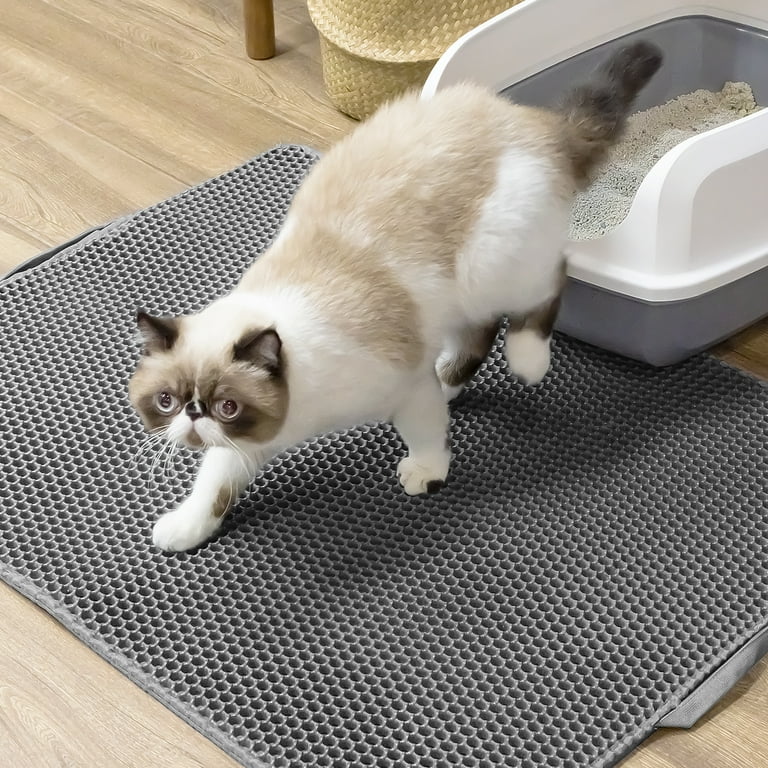
A litter mat placed directly under and in front of the litter box can trap litter before it spreads.
What to look for:
-
Honeycomb or textured surface
-
Waterproof bottom layer
-
Easy-to-clean material
This single change often reduces tracking by 50–80%.
Many cat owners find that switching to a well-designed litter mat is the fastest way to see results. A quality litter mat placed under the litter box can catch loose litter before it spreads throughout your home, making everyday cleaning much easier.
3. Upgrade Your Litter Box Design
Your litter box style plays a huge role in tracking.
Low-tracking designs include:
-
Top-entry litter boxes
-
High-sided litter boxes
-
Covered boxes with wide entryways
Avoid cramped boxes—cats need space to exit calmly without jumping.
If your current litter box feels cramped or outdated, upgrading to a more functional design can significantly reduce mess. Many modern litter boxes are designed with higher sides or top-entry access to help keep litter contained while still allowing your cat to feel comfortable.
4. Clean Your Cat’s Paws & Fur (Especially for Long-Haired Cats)
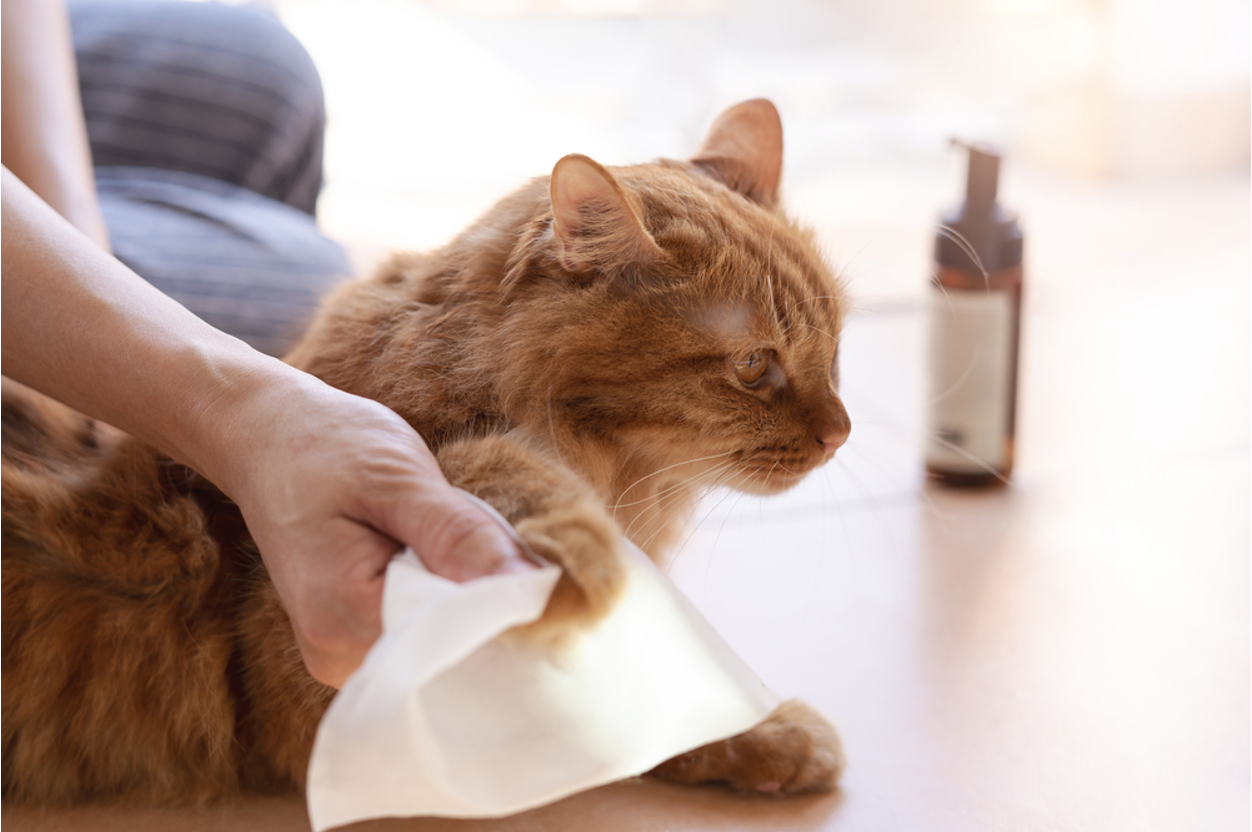
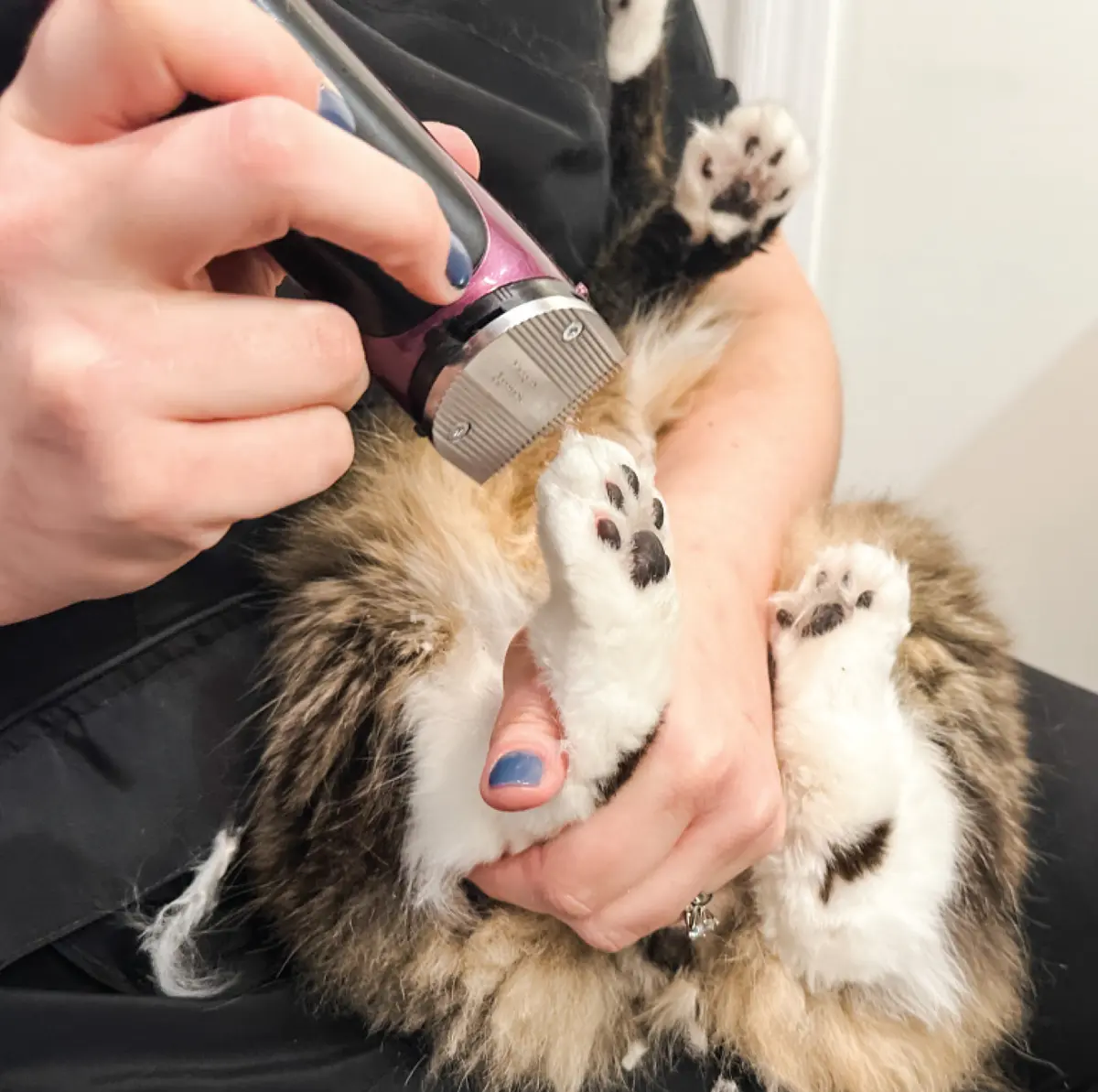
Long-haired cats are more likely to trap litter between their paw pads.
Helpful habits:
-
Trim fur around paw pads
-
Gently wipe paws if litter buildup is visible
-
Brush legs and belly regularly
This is especially important for senior cats or indoor-only cats.
5. Place the Litter Box Strategically
Where you place the litter box matters.
Best placement tips:
-
Avoid high-traffic areas
-
Place the box in a corner or against a wall
-
Allow at least 2–3 steps of walking space after exiting
This gives litter mats time to do their job.
6. Scoop & Maintain the Litter Box Daily
A dirty litter box causes cats to step awkwardly—or jump out quickly—spreading litter everywhere.
Daily maintenance tips:
-
Scoop at least once a day
-
Fully replace litter regularly
-
Wash the box with mild soap (weekly or bi-weekly)
A clean box = calmer exits = less tracking.
Common Mistakes to Avoid
-
Using very fine, dusty litter
-
Skipping litter mats
-
Choosing boxes that are too small
-
Placing the box near carpets or rugs
-
Ignoring grooming needs
How to Keep Floors Clean in Multi-Cat Homes
If you have multiple cats:
-
Use one litter box per cat + one extra
-
Place mats at every litter box
-
Vacuum high-traffic areas regularly
Consistency is key.
Final Thoughts: Less Litter, Happier Home
Cat litter tracking doesn’t mean you’re doing something wrong—it just means your setup needs a few improvements. With the right litter, mat, box design, and routine, you can enjoy a cleaner home without stressing your cat.
A comfortable cat is a clean cat—and a happier owner.
Creating a cleaner home doesn’t require constant sweeping or changing your cat’s behavior. With a few thoughtfully chosen litter solutions and accessories, you can reduce tracking, simplify cleanup, and create a more comfortable space for both you and your cat.
Frequently Asked Questions
Does covered litter reduce tracking?
Yes, when combined with a litter mat and proper size.
Are litter mats safe for cats?
Yes. Choose soft, non-slip, pet-safe materials.
Why does my cat kick litter everywhere?
This can be instinctual behavior or a sign the box is too small.